










About
Pop Art looks out into the world. It doesn’t look like a painting of something, it looks like the thing itself.
—Roy Lichtenstein
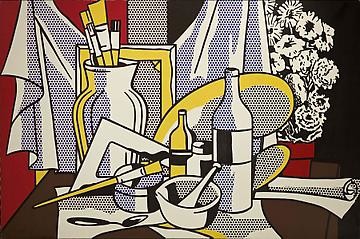
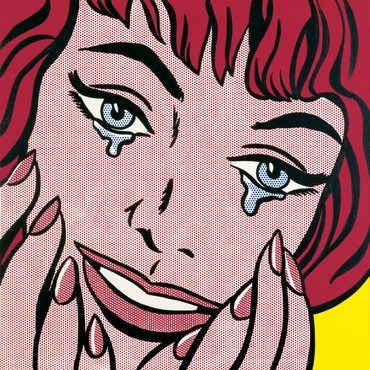
Roy Fox Lichtenstein’s (1923–1997) high-impact, iconic paintings have become synonymous with Pop art—a movement he helped originate—and his merging of mechanical reproduction and hand drawing has become central to the critical understanding of the movement.
Born in New York, Lichtenstein developed an interest in drawing, science, and jazz music at a young age. He attended Ohio State University (1940–42), before being drafted into the Army (1943–45). Supported by the G.I. Bill following the war, Lichtenstein resumed his art studies at the School of Fine and Applied Arts at Ohio State and graduated with an MFA in 1949. He stayed in Ohio for the next eight years, working first as a teacher and later as an industrial draftsman and furniture designer, among other part-time roles. Lichtenstein then accepted an assistant professorship in industrial design at the State University of New York, Oswego, which led to a teaching position at Douglass College at Rutgers University, New Jersey.
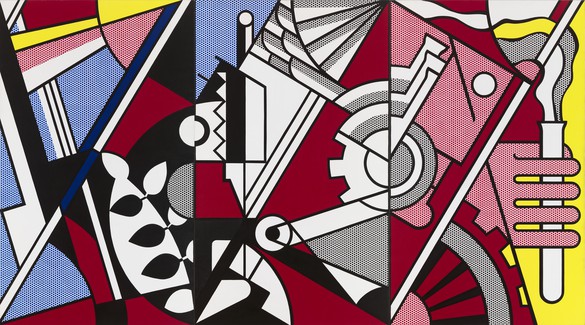
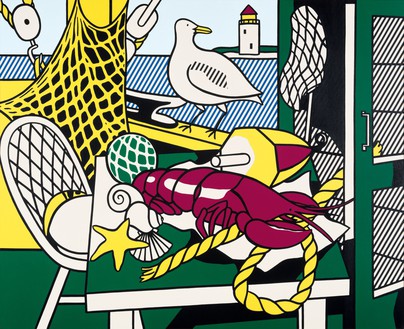
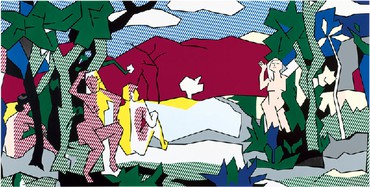
In 1961 Lichtenstein painted one of his first Pop paintings, Look Mickey. This work, in its use of cartoon characters and deliberate imitation of the Ben-Day dot commercial printing process, marked a major turning point in his career. Lichtenstein had his first solo show with Leo Castelli in early 1962—which sold out before the opening—and another in 1963. After this commercial success with Castelli, he resigned from Rutgers in 1964 and moved to back New York to concentrate exclusively on his art. Into the next decade, he depicted stylized landscapes, consumer-product packaging, adaptations of paintings by famous artists, geometric elements from Art Deco design, parodies of Abstract Expressionism, and war scenes and explosions. Despite their immense variation in subject matter, all of these works underlined the contradictions of representing three dimensions on a flat surface.
The late 1960s saw Lichtenstein’s first museum surveys: in 1967 the Pasadena Art Museum initiated a traveling retrospective, in 1968 the Stedelijk Museum, Amsterdam, presented his first European retrospective, and in 1969 he had his first New York retrospective, at the Solomon R. Guggenheim Museum. He began living in Southampton, New York, in 1968, and in 1984 he acquired a studio loft in Manhattan; thereafter he would split his time between Southampton and Manhattan.
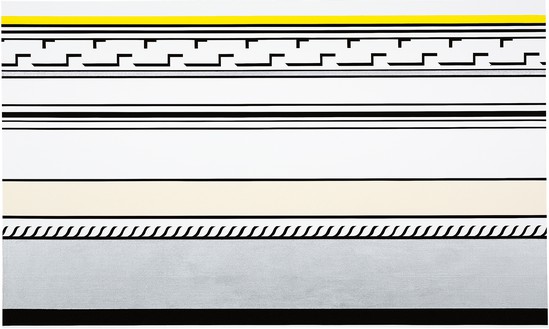
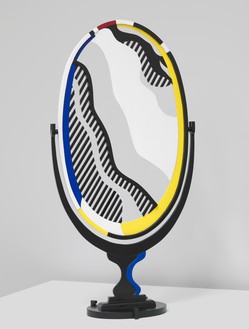
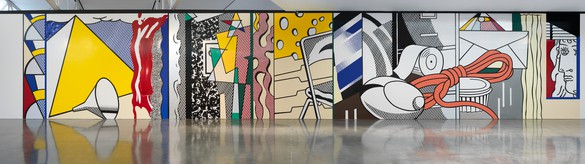
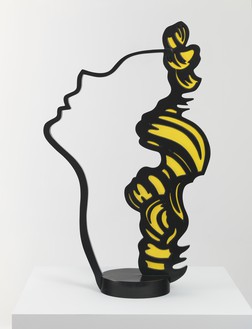
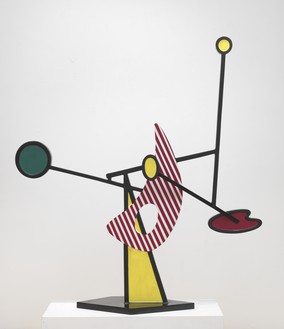
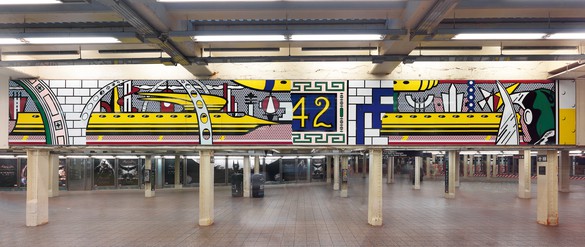
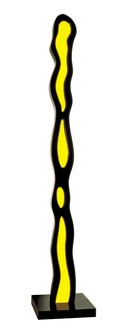
In the early 1970s Lichtenstein explored formal questions further with his abstract Mirrors (1969–79) and Entablatures (1970–76) series. From 1974 into the 1980s he probed another long-standing interest: the concept of artistic style. He produced paintings that reinterpreted the forms and techniques of classical architecture, Cubism, Futurism, Surrealism, and more. Lichtenstein continued to question the role of style, this time in consumer culture, in his 1990s series Interiors (1990–97), which included images of his own works as decorative elements in domestic settings. In his attempt to fully grasp and expose how the forms, materials, and methods of production had shaped the images of Western visual culture, Lichtenstein also explored other mediums such as polychromatic ceramic, aluminum, brass, and serigraphy. He experimented with printmaking as early as the late 1940s and completed several large-scale public sculptures, as well as a number of major murals.
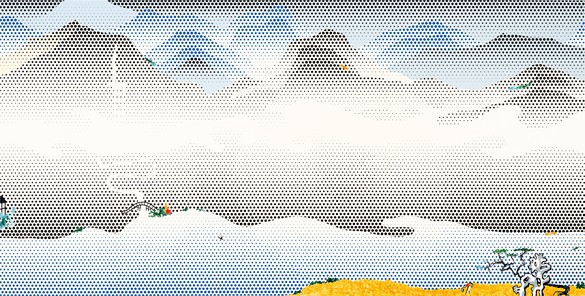
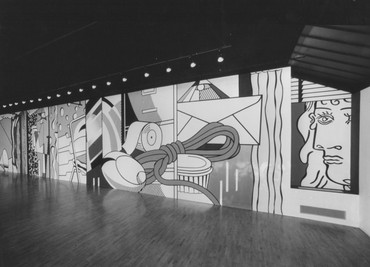
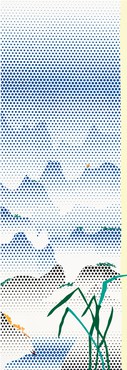
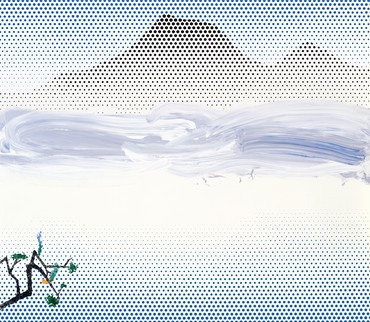
Lichtenstein continued to refine his technique and expand his subject matter in his later work, turning to such unexpected themes as the painterly gesture, the female nude, and Chinese landscape painting. In 1995 he was awarded the National Medal of Arts in recognition of his contributions to American art.
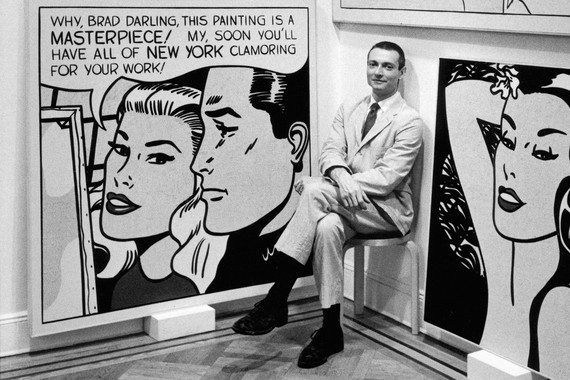
Photo: Bill Ray
#RoyLichtenstein
Download
Website
Exhibitions
In Conversation
Irving Blum and Dorothy Lichtenstein
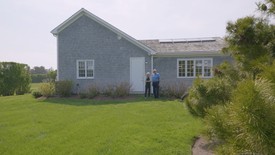
In celebration of the centenary of Roy Lichtenstein’s birth, Irving Blum and Dorothy Lichtenstein sat down to discuss the artist’s life and legacy, and the exhibition Lichtenstein Remembered curated by Blum at Gagosian, New York.
In Conversation
Daniel Belasco and Scott Rothkopf on Roy Lichtenstein
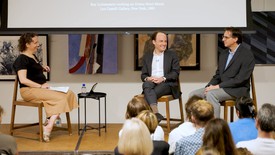
Gagosian and the Art Students League of New York hosted a conversation on Roy Lichtenstein with Daniel Belasco, executive director of the Al Held Foundation, and Scott Rothkopf, senior deputy director and chief curator of the Whitney Museum of American Art, New York. Organized in celebration of the centenary of the artist’s birth and moderated by Alison McDonald, chief creative officer at Gagosian, the discussion highlights multiple perspectives on Lichtenstein’s decades-long career, during which he helped originate the Pop art movement. The talk coincides with Lichtenstein Remembered, curated by Irving Blum and on view at Gagosian, New York, through October 21.
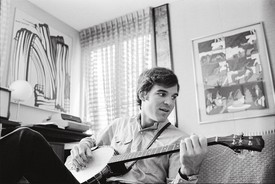
Roy and Irving
Actor and art collector Steve Martin reflects on the friendship and professional partnership between Roy Lichtenstein and art dealer Irving Blum.
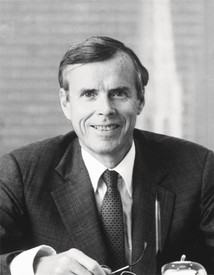
Donald Marron
Jacoba Urist profiles the legendary collector.
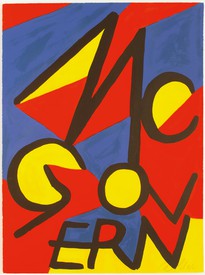
The Art History of Presidential Campaign Posters
Against the backdrop of the 2020 US presidential election, historian Hal Wert takes us through the artistic and political evolution of American campaign posters, from their origin in 1844 to the present. In an interview with Quarterly editor Gillian Jakab, Wert highlights an array of landmark posters and the artists who made them.
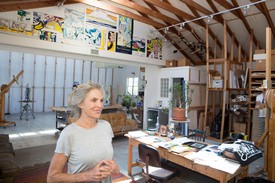
In Conversation
Dorothy Lichtenstein
Dorothy Lichtenstein sits down with Derek Blasberg to discuss the changes underway at the Lichtenstein Foundation, life in the 1960s, and what brought her to—and kept her in—the Hamptons.
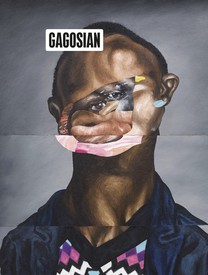
Now available
Gagosian Quarterly Fall 2019
The Fall 2019 issue of Gagosian Quarterly is now available, featuring a detail from Sinking (2019) by Nathaniel Mary Quinn on its cover.
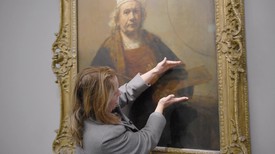
Visions of the Self: Jenny Saville on Rembrandt
Jenny Saville reveals the process behind her new self-portrait, painted in response to Rembrandt’s masterpiece Self-Portrait with Two Circles.
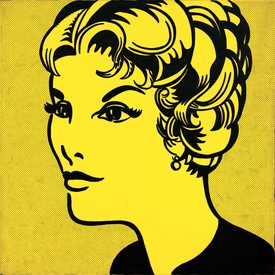
Roy Lichtenstein: 1961 to 1965
Gillian Pistell examines Roy Lichtenstein’s aesthetic developments in the years 1961 to 1965.
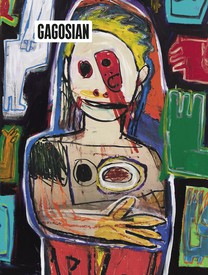
Gagosian Quarterly Winter 2018
The Winter 2018 issue of Gagosian Quarterly is now available. Our cover this issue comes from High Times, a new body of work by Richard Prince.
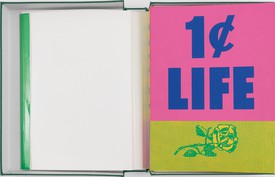
Book Corner
One-Cent Life
A 1964 publication by the Chinese-American artist and poet Walasse Ting and Abstract Expressionist painter Sam Francis.
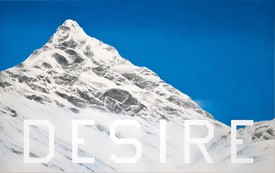
Desire
Diana Widmaier Picasso, curator of the exhibition Desire, reflects on the history of eroticism in art.
Fairs, Events & Announcements
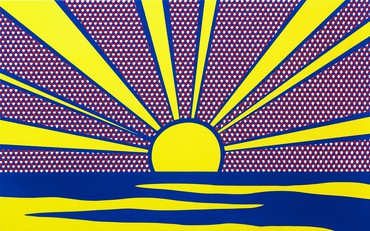
Launch
Roy Lichtenstein
Digital Catalogue Raisonné
The Roy Lichtenstein Foundation has launched Roy Lichtenstein: A Catalogue Raisonné—a digital publication documenting the Pop artist’s decades-long career. The online resource allows users to browse more than 5,500 works by the artist, including all known paintings, sculptures, drawings, collages, prints, and commissions, as well as a comprehensive exhibition history, bibliography, and biographical chronology.
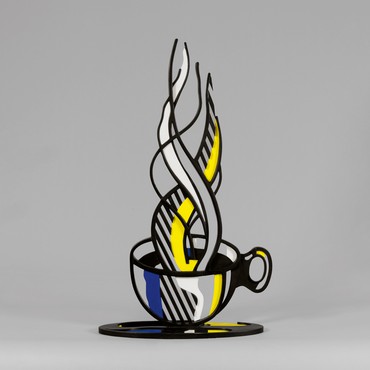
Roy Lichtenstein, Sunrise, c. 1964 (fabricated c. 1964–65) © Estate of Roy Lichtenstein
Visit
Madison Avenue Fall Gallery Walk 2023
Saturday, October 28, 2023, 11am–5pm
New York
madisonavenuebid.org
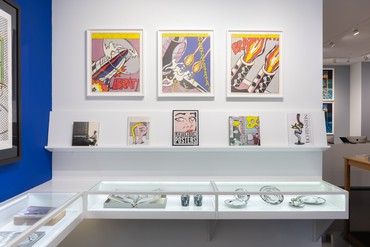
Join Artnews and the Madison Avenue Business Improvement District on an autumn walk to visit over fifty galleries that line Madison Avenue from East 57th to East 86th Streets. The Gagosian Shop, which offers an exclusive and extensive selection of artist’s books, exhibition catalogues, posters, and prints, is featuring a display dedicated to Roy Lichtenstein and offering a 10% discount on all Gagosian titles and posters. It is also the final day to see to light, and then return—, an exhibition of new works by Edmund de Waal and Sally Mann inspired by each other’s practices, at the 976 Madison Avenue gallery behind the Shop.
Roy Lichtenstein display at the Gagosian Shop, New York, 2023. Artwork © Estate of Roy Lichtenstein. Photo: Mauricio Zelaya
In Conversation
Daniel Belasco and Scott Rothkopf on Roy Lichtenstein
Moderated by Alison McDonald
Monday, September 18, 2023, 6:30pm
Art Students League of New York
www.artstudentsleague.org
Join Gagosian and the Art Students League of New York for a conversation on Roy Lichtenstein with Daniel Belasco, executive director of Al Held Foundation, and Scott Rothkopf, senior deputy director and chief curator of the Whitney Museum of American Art, New York. Organized in celebration of the centenary of the artist’s birth and moderated by Alison McDonald, chief creative officer at Gagosian, the discussion will highlight multiple perspectives on Lichtenstein’s decades-long career, during which he helped originate the Pop art movement. The talk coincides with Lichtenstein Remembered, an exhibition of sculptures and studies curated by Irving Blum at Gagosian, 980 Madison Avenue, New York, on view through October 21.
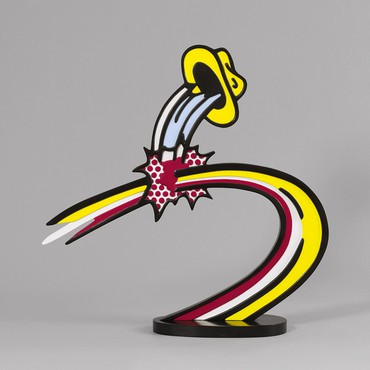
Roy Lichtenstein, Coup de Chapeau I, 1996 © Estate of Roy Lichtenstein. Photo: Rob McKeever
Museum Exhibitions
On View
The Whitney’s Collection
Selections from 1900 to 1965
Opened June 28, 2019
Whitney Museum of American Art, New York
whitney.org
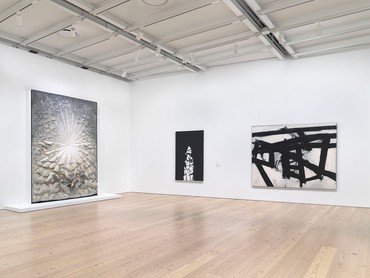
This exhibition of more than 120 works, drawn entirely from the Whitney’s collection, is inspired by the founding history of the museum. The Whitney was established in 1930 by Gertrude Vanderbilt Whitney to champion the work of living American artists. A sculptor and a patron, Whitney recognized both the importance of contemporary American art and the need to support the artists who made it. The collection she assembled foregrounds how artists uniquely reveal the complexity and beauty of American life. Work by Jay DeFeo, Willem de Kooning, Roy Lichtenstein, Man Ray, Ed Ruscha, Andy Warhol, and Tom Wesselmann is included.
Installation view, The Whitney’s Collection: Selections from 1900 to 1965, Whitney Museum of American Art, New York, June 28, 2019–May 2022. Artwork, left to right: © 2020 The Jay DeFeo Foundation/Artists Rights Society (ARS), New York; © Norman Lewis; © 2020 The Franz Kline Estate/Artists Rights Society (ARS), New York. Photo: Ron Amstutz
On View
Roy Lichtenstein
Zum 100. Geburtstag
Through July 14, 2024
Albertina, Vienna
www.albertina.at
Celebrating the hundredth anniversary of the artist’s birth, this comprehensive retrospective, whose English title is Roy Lichtenstein: A Centennial Exhibition, brings together over ninety paintings, sculptures, and prints by Lichtenstein, including early Pop artworks from the 1960s, black-and-white paintings, stylized landscapes in enamel, and a large-scale Brushstroke sculpture. The exhibition was conceived to mark the donation of more than a hundred works by the Lichtenstein Foundation to the Albertina.
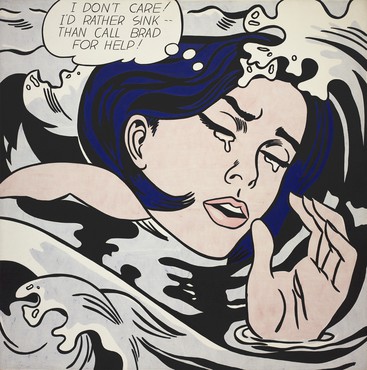
Roy Lichtenstein, Drowning Girl, 1963, Museum of Modern Art, New York © Estate of Roy Lichtenstein. Photo: Museum of Modern Art, New York
Closed
The Inner Island
April 28–November 4, 2023
Fondation Carmignac, Porquerolles, France
www.fondationcarmignac.com
This exhibition, which features more than eighty works by fifty artists, presents visitors with new, unknown worlds floating outside familiar geographies and temporalities. The artists included break away from reality, bringing to life fictional, mental, and abstract islands. Work by Harold Ancart, Jean-Michel Basquiat, Alexander Calder, Helen Frankenthaler, Simon Hantaï, Roy Lichtenstein, Albert Oehlen, and Christopher Wool is included.
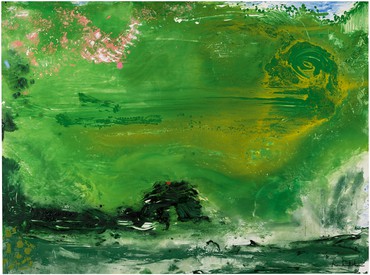
Helen Frankenthaler, Overture, 1992 © 2023 Helen Frankenthaler Foundation, Inc./Artists Rights Society (ARS), New York
Closed
Jubiläumsausstellung—Special Guest Duane Hanson
October 30, 2022–January 8, 2023
Fondation Beyeler, Riehen/Basel
www.fondationbeyeler.ch
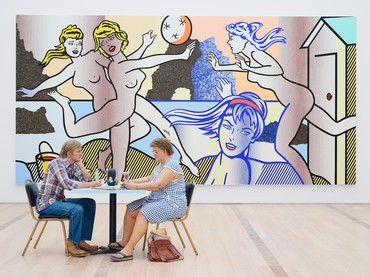
This exhibition, whose title translates to Anniversary Exhibition—Special Guest Duane Hanson, features more than one hundred works from the foundation’s collection, from modern to contemporary art, to celebrate the twenty-fifth anniversary of the institution. Several hyperrealist sculptures by Duane Hanson enrich the presentation, opening up surprising perspectives on the exhibited artworks, architecture, staff, and visitors. Work by Francis Bacon, Georg Baselitz, Alberto Giacometti, Anselm Kiefer, Roy Lichtenstein, Pablo Picasso, Andy Warhol, and Rachel Whiteread is included.
Installation view, Jubiläumsausstellung—Special Guest Duane Hanson, Fondation Beyeler, Riehen/Basel, Switzerland, October 30, 2022–January 8, 2023. Artwork, front to back: © 2022 Estate of Duane Hanson/Licensed by VAGA at Artists Rights Society (ARS), New York; © Estate of Roy Lichtenstein